Streamlining Production: The Essential Role of Industrial Boilers
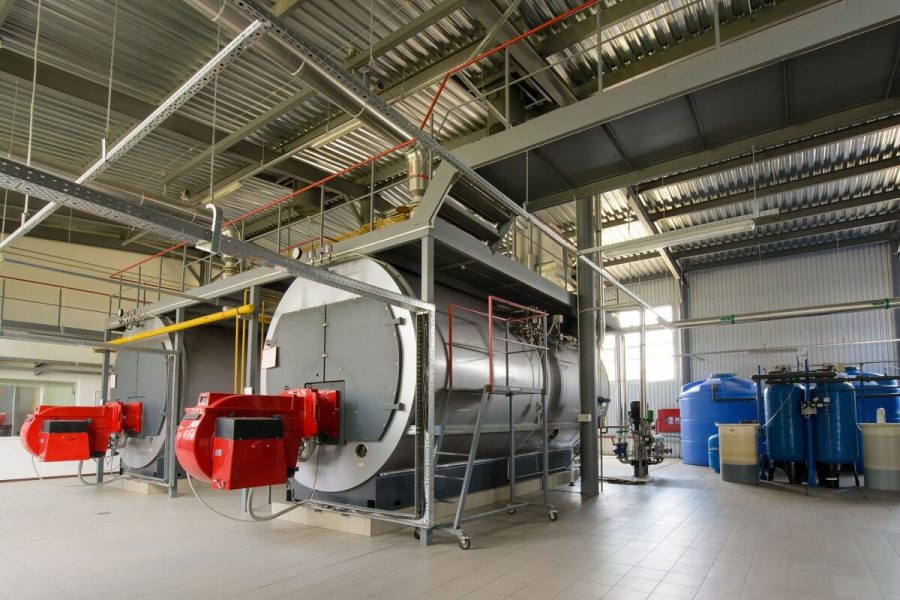
In the realm of contemporary manufacturing, diverse components collaborate to guarantee optimal production efficiency and operational effectiveness. A key component within this ecosystem is the industrial furnace. Industrial furnaces function as the core of numerous manufacturing facilities, supplying essential heat and power necessary for various processes. Their versatility and dependability have solidified their significance across diverse industries, ranging from food processing to chemical manufacturing, demonstrating the crucial role industrial boilers play in modern production systems.
The main purpose of industrial boilers is to produce steam or hot water. This output is essential for a range of applications, such as heating, power generation, and facilitating particular manufacturing processes. The steam generated by these high-capacity systems can be utilised to operate turbines for electricity production or employed directly in operational processes such as sterilisation, cooking, or chemical reactions. This comprehensive function underscores the versatility of industrial boilers in addressing the varied requirements of different manufacturing settings.
The efficacy of industrial boilers has significantly enhanced over the past decade as a result of technological advancements and improved design methodologies. Modern industrial boilers are designed to ensure peak performance while minimising energy consumption. Advanced combustion technologies and inventive heat recovery systems enable greater thermal efficiency, which is essential in an era demanding rigorous control of operational costs. By facilitating effective operation, these boilers enable manufacturers to decrease fuel expenses and minimise their carbon footprint, thereby supporting broader sustainability objectives within the industry.
As the manufacturing industry progressively adopts environmentally sustainable practices, the function of industrial boilers is undergoing significant transformation. Manufacturers are increasingly inclined to evaluate the environmental impact when choosing furnace systems. Numerous modern industrial boilers utilise alternative fuels or incorporate biomass as a heat source, significantly reducing greenhouse gas emissions. These measures not only benefit the environment but also assist companies in adhering to strict regulatory standards regarding emissions, thereby fostering a more sustainable and responsible manufacturing process.
Safety remains a fundamental concern related to industrial boilers. Given the demanding pressure conditions and elevated temperatures in which these systems function, meticulous maintenance and precise operation are essential. Routine inspections and strict compliance with safety protocols are essential for preventing accidents and safeguarding worker safety. Furthermore, contemporary industrial boilers are fitted with multiple safety mechanisms that monitor pressure and temperature levels, guaranteeing that the systems function within secure operational boundaries. This emphasis on safety is essential for safeguarding personnel and ensuring uninterrupted operational continuity within manufacturing settings.
The adaptability of industrial boilers allows them to be customised to meet the specific needs of diverse industries. In the food processing industry, for instance, steam produced by industrial boilers is widely utilised for cooking and pasteurisation, guaranteeing the safety of the products for consumption. This requirement for dependable and uniform heating underpins the quality of the final products, demonstrating the vital role of industrial boilers in upholding health standards. Similarly, in the pharmaceutical sector, accurate temperature regulation is essential; consequently, the dependable operation of industrial boilers is crucial in guaranteeing that medications are manufactured under optimal conditions.
Furthermore, the textile industry depends significantly on industrial boilers to supply steam essential for dyeing and finishing operations. The application of high-quality steam guarantees that fabrics preserve their integrity and undergo the essential treatment required for the production of superior products. As the demand for textile manufacturing increases, especially with the expansion of rapid fashion, the necessity for efficient and reliable industrial boilers becomes increasingly critical. The ongoing advancements in boiler technology not only facilitate higher production capacities but also adhere to the industry’s demand for sustainable practices.
In the chemical manufacturing industry, industrial boilers are vital—providing steam that functions as a crucial input across diverse reactions, blending, and processing operations. The infrastructure for chemical manufacturing is typically energy-intensive, and the ability of industrial boilers to deliver a consistent and high-quality steam supply is essential for sustaining production output while complying with economic and environmental requirements. Furthermore, the advancement of modular industrial boiler systems has facilitated increased flexibility in chemical manufacturing, allowing companies to swiftly modify their production in response to market demands.
Furthermore, the energy landscape is evolving, and industrial manufacturers are progressively emphasising the integration of renewable energy sources into their operational strategies. Industrial furnaces may be engineered to operate utilising a range of fuel sources, including solar thermal energy. This trend towards the integration of renewable energy technologies signifies not only a challenge for conventional boiler design but also an opportunity for innovation and the enhancement of boiler efficiencies. The adoption of renewable energy technologies represents a crucial advancement in decreasing reliance on fossil fuels, emphasising a collective effort towards sustained environmental and operational sustainability in manufacturing processes.
Industrial furnaces also play a substantial role in shaping the overall economic framework of the manufacturing sector. Through the provision of reliable energy solutions, they empower companies to attain enhanced efficiencies, thereby decreasing operational expenses. These savings may be allocated towards research and development, improving product quality, or expanding manufacturing capacities. This economic rationale further underscores the significance of industrial boilers as a strategic investment rather than merely an expense, thereby highlighting their crucial role in the planning of contemporary manufacturing operations.
The digital era has brought forth new challenges and opportunities for industrial boilers, especially in light of the emergence of Industry 4.0. The incorporation of IoT (Internet of Things) technologies into industrial furnace systems enables real-time monitoring and proactive maintenance planning. This connectivity not only enhances the operational reliability of the furnaces but also optimises energy consumption, thereby further increasing efficiency. The information gathered via these intelligent systems allows manufacturers to make well-informed decisions regarding energy utilisation, maintenance planning, and overall operational strategies.
In summary, the function of industrial boilers within contemporary manufacturing is diverse and of considerable importance. From supplying vital heat and energy to endorsing sustainable initiatives and enhancing economic productivity, industrial boilers are integral to the manufacturing process. As manufacturers contend with escalating energy expenses, rigorous regulations, and a growing demand for sustainable practices, industrial boilers continue to serve as a vital element in their operational strategy. The ongoing advancement of boiler technology will guarantee that they not only address present manufacturing challenges but also excel in the competitive landscape of the future, reaffirming their status as essential assets in industrial production.
With continuous advancements in energy efficiency, safety protocols, and environmental sustainability, the industrial boiler industry will persist in evolving and innovating. Therefore, organisations that capitalise on these advancements will not only improve their operational efficiency but also make a meaningful contribution to the broader objectives of sustainability and economic development within the manufacturing sector. The outlook for industrial boilers remains encouraging, offering new prospects for collaboration across diverse manufacturing sectors.