How Advanced Window Systems Have Revolutionised Home Comfort and Energy Performance
The widespread adoption of double glazing technology has fundamentally reshaped residential architecture and domestic comfort standards, creating a new baseline for what homeowners expect from their properties in terms of thermal performance, acoustic comfort, and overall living quality. This revolutionary glazing system has transcended its origins as a premium upgrade to become an integral component of contemporary housing that influences everything from architectural design principles to daily household routines. The comprehensive transformation brought about by double glazing adoption represents one of the most successful building technology innovations of the modern era, demonstrating how thoughtful engineering can address multiple housing challenges simultaneously whilst delivering measurable improvements to quality of life.
Historical Context and Market Evolution
The journey of double glazing from experimental technology to standard residential feature reflects broader changes in construction practices, energy awareness, and consumer expectations that have fundamentally altered the housing market over several decades. Early adoption was driven primarily by affluent homeowners seeking luxury upgrades, but technological improvements and cost reductions have democratised access to these benefits across diverse economic segments of the housing market.
The transition from single-pane to double glazing systems represents a paradigmatic shift in how the construction industry approaches window performance, moving beyond basic weatherproofing to comprehensive environmental control that addresses thermal efficiency, moisture management, and acoustic performance through integrated design solutions. This holistic approach has influenced broader construction methodologies and raised performance expectations across all building components.
Market development has been characterised by continuous innovation in materials, manufacturing processes, and installation techniques that have improved performance whilst reducing costs and expanding aesthetic options. These developments have created highly competitive markets that benefit consumers through choice, quality, and value whilst supporting ongoing research and development that continues to advance glazing technology.
Climate Adaptation and Regional Performance
The effectiveness of double glazing varies significantly across different climate zones and regional conditions, with systems designed to optimise performance for specific environmental challenges including temperature extremes, humidity levels, and seasonal variations that affect comfort and energy consumption. Understanding these regional adaptations reveals how double glazing technology has evolved to address diverse climatic requirements whilst maintaining cost-effectiveness across different markets.
Northern regions with severe winters benefit particularly from the superior thermal insulation properties of double glazing, which dramatically reduce heat loss whilst preventing ice formation and condensation problems that can damage window frames and surrounding structures. These thermal benefits translate directly into reduced heating costs and improved comfort during extended cold periods that characterise harsh winter climates.
Coastal areas present unique challenges including salt air corrosion and high humidity levels that require specialised frame materials and protective coatings to ensure long-term performance and durability. Double glazing systems designed for marine environments incorporate these protective features whilst maintaining the aesthetic and performance characteristics that homeowners expect from premium window installations.
Integration with Smart Home Technology
The convergence of double glazing systems with emerging smart home technologies has created new possibilities for automated environmental control that optimises comfort whilst maximising energy efficiency through intelligent response to changing conditions and occupancy patterns. These technological integrations represent the next evolution in window performance that extends beyond passive thermal and acoustic benefits to encompass active environmental management.
Automated shading systems integrated with double glazing installations enable dynamic solar control that reduces cooling loads during hot weather whilst maximising natural light and passive solar heating when beneficial. These systems respond to solar angles, internal temperatures, and occupancy patterns to optimise comfort whilst minimising energy consumption through intelligent environmental management.
Sensor integration enables monitoring of indoor air quality, humidity levels, and temperature variations that inform automated ventilation and climate control decisions. These data-driven systems optimise indoor environmental conditions whilst providing homeowners with detailed insights into their home’s performance and energy consumption patterns.
Architectural Design Influence and Aesthetic Evolution
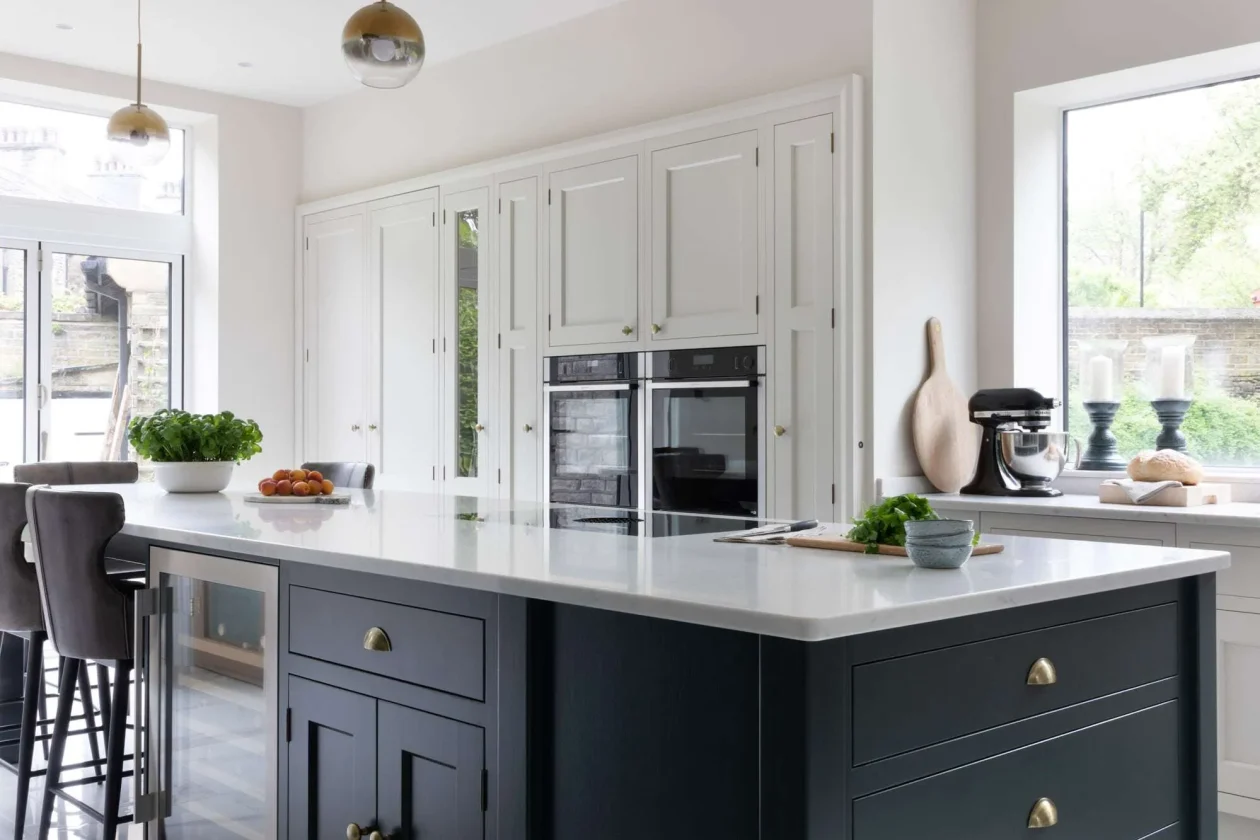
The superior performance characteristics of double glazing have enabled architectural design approaches that were previously impractical or economically unfeasible, including larger window areas, floor-to-ceiling glazing, and extensive use of glass in residential construction. These design possibilities have transformed contemporary architecture whilst maintaining energy efficiency standards that satisfy both regulatory requirements and homeowner expectations.
The structural capabilities of modern double glazing systems support architectural features including bay windows, curved installations, and complex geometric configurations that enhance aesthetic appeal whilst maintaining thermal performance. These design possibilities enable architects to create distinctive visual effects and interior lighting conditions that were difficult to achieve with traditional single-pane systems.
Colour and finish options have expanded dramatically, enabling homeowners to coordinate window frames with architectural styles, personal preferences, and neighbourhood character whilst maintaining performance benefits. This aesthetic flexibility has eliminated the traditional compromise between appearance and performance that previously limited design choices for energy-conscious homeowners.
Health and Wellness Considerations
The indoor environmental improvements delivered by double glazing systems contribute significantly to occupant health and wellness through better temperature control, reduced moisture problems, and improved air quality that creates healthier living environments. These health benefits extend beyond simple comfort to encompass measurable improvements in respiratory condition management, sleep quality, and overall wellbeing.
Moisture control achieved through double glazing systems reduces the risk of mould and mildew growth that can trigger allergic reactions and respiratory problems, particularly in vulnerable individuals including children and elderly residents. This moisture management creates healthier indoor environments whilst protecting building materials and furnishings from moisture-related damage and deterioration.
Temperature stability provided by effective double glazing systems reduces thermal stress and creates more comfortable sleeping environments that support better rest and recovery. These comfort benefits prove particularly valuable for individuals with health conditions that are sensitive to temperature variations or those who work from home and require comfortable environments for extended periods.
Maintenance and Lifecycle Considerations
The maintenance requirements and expected lifespan of double glazing systems represent important factors in their continued popularity, with quality installations providing decades of reliable performance with minimal intervention requirements. Understanding these lifecycle characteristics helps homeowners make informed decisions about initial investments whilst planning for long-term property maintenance requirements.
Modern double glazing systems typically require minimal routine maintenance beyond regular cleaning and occasional hardware adjustments, contrasting favourably with traditional window systems that may require frequent painting, putty repairs, and hardware replacement. This low-maintenance characteristic provides ongoing value whilst reducing the time and expense associated with window upkeep.
Component replaceability in quality double glazing systems enables selective repair and upgrading that extends system life whilst adapting to changing needs or technological improvements. This serviceability ensures that initial investments continue to provide value whilst enabling performance improvements through component upgrades rather than complete system replacement.
Installation Quality and Professional Standards
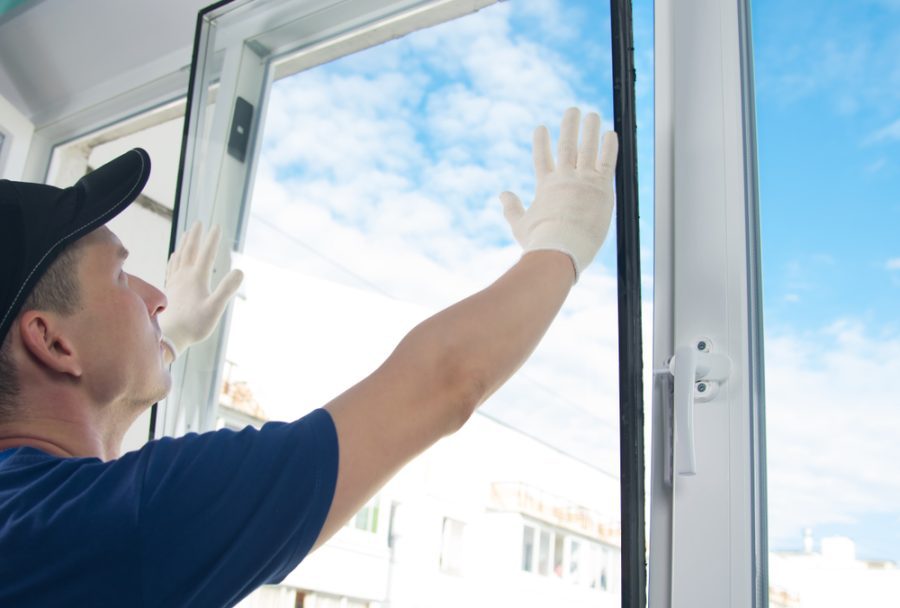
The performance benefits and longevity of double glazing systems depend heavily on installation quality, making professional installation standards a critical factor in customer satisfaction and system performance. The development of industry certification programmes and installation standards has improved service quality whilst protecting consumers from substandard workmanship that could compromise performance and durability.
Professional installation encompasses precise measurement, proper sealing, structural support, and performance testing that ensures systems perform as designed whilst meeting manufacturer warranty requirements. These professional standards protect homeowner investments whilst ensuring that performance benefits are realised through proper installation techniques and quality assurance procedures.
Training and certification programmes for installation professionals have raised industry standards whilst providing homeowners with confidence in service quality and professional competence. These programmes ensure that installers understand current best practices whilst maintaining knowledge of evolving technologies and performance requirements.
Future Developments and Market Trends
The continuing evolution of double glazing technology promises further improvements in performance, aesthetics, and functionality that will maintain market interest whilst addressing emerging challenges including climate change adaptation and smart home integration. These developments ensure that double glazing remains relevant and valuable for future homeowners whilst supporting ongoing industry growth and innovation.
Vacuum glazing technologies represent potential breakthrough developments that could dramatically improve thermal performance whilst reducing system thickness and weight. These advanced glazing systems may enable even larger glazed areas whilst maintaining superior energy efficiency that exceeds current double glazing performance standards.
Photovoltaic integration possibilities could transform windows from passive building components to active energy generation systems that contribute to household energy independence whilst maintaining transparency and aesthetic appeal. These developments represent exciting possibilities for the future evolution of glazing technology that could further enhance the value proposition of advanced window systems.
Conclusion
The enduring success and continued evolution of double glazing technology demonstrates its fundamental value in addressing multiple residential performance requirements through integrated solutions that deliver measurable benefits across comfort, efficiency, aesthetics, and durability dimensions. The widespread adoption of these systems has raised living standards whilst creating new possibilities for architectural design and home automation that continue to influence residential construction practices. As environmental concerns intensify and technology continues to advance, double glazing systems are well-positioned to maintain their central role in residential construction whilst evolving to meet future challenges and opportunities in sustainable building design.
Get in Touch:
Leads Do Work Ltd
97 Alderley Rd, Wilmslow SK9 1PT
01603 298145
leads.work