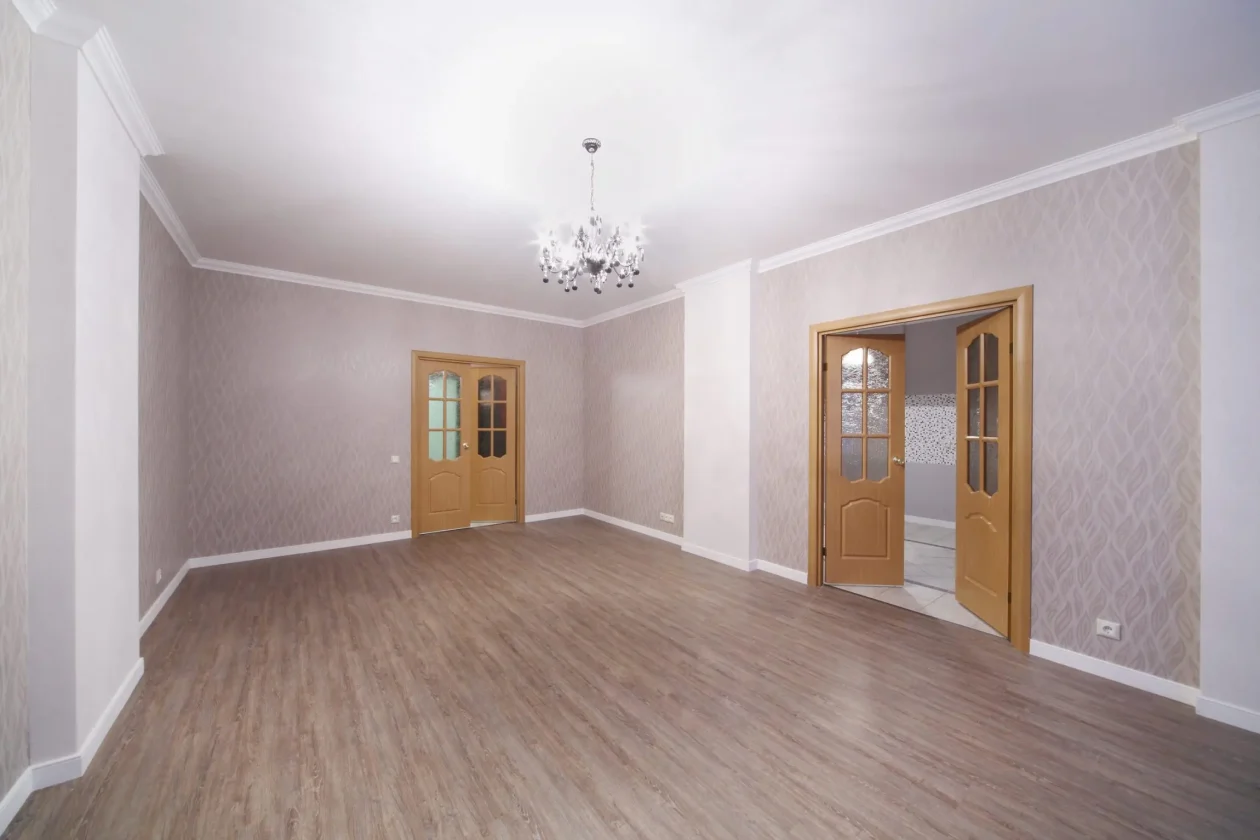
The Essentials of Unoccupied House Insurance: Protecting Your Vacant UK Property
Owning a vacant property in the UK, whether short-term or long-term, comes with distinct challenges and risks. Standard home insurance policies for occupied residences often become void or significantly reduce coverage if a property is left empty for more than a specified duration, usually 30 or 60 consecutive days. This is where the essential requirement for unoccupied house insurance comes into play. This specialised protection is intended to fill the gap, providing crucial safeguards for your valuable asset during periods of vacancy. Knowing what unoccupied house insurance typically covers is essential for property owners in this situation, providing peace of mind and financial protection against unexpected events.
Unoccupied house insurance typically covers risks like fire, lightning, explosion, and earthquake. Catastrophic events can inflict severe damage, whether a property is occupied or not, leading to exorbitant repair or rebuilding expenses. A standard unoccupied house insurance policy usually covers essential perils, providing financial support to restore your empty home in case of damage. This essential element of unoccupied house insurance is crucial for anyone leaving a property empty.
Additionally, unoccupied house insurance typically includes coverage for damage from storms and floods. The British weather is often unpredictable and harsh, making empty properties just as vulnerable to gales and floods as occupied ones, if not more so due to potential delays in damage discovery. An occupied home has someone to act quickly, while an empty one depends on neighbours’ watchfulness or occasional inspections. This essential part of unoccupied house insurance reduces the financial strain from weather-related events.
Another important aspect typically found in unoccupied house insurance is coverage for water or oil escape. This risk is greater in vacant properties. A burst pipe, leaking boiler, or faulty heating system can remain undetected for weeks or months in an empty house, causing significant damage to floors, walls, and fittings. The mould and structural problems resulting from extended water ingress are expensive to fix. Unoccupied house insurance policies are designed to address increased vulnerability, offering coverage for damage repairs caused by such incidents, making it a vital part of unoccupied house insurance.
Vandalism and malicious damage pose major risks for property owners with vacant homes, usually addressed by unoccupied house insurance. An unoccupied property may attract vandals or individuals looking to inflict damage. The lack of occupants eliminates immediate deterrents or witnesses, raising the chances of such incidents occurring. From broken windows to graffiti and intentional damage, expenses can escalate rapidly. Unoccupied house insurance offers financial protection against intentional destruction, providing peace of mind to property owners.
Theft or attempted theft is a risk that unoccupied house insurance seeks to cover. Although an empty property may lack valuable personal belongings, fixtures, fittings, and copper piping can attract thieves. The damage from a break-in, including forced entry or component removal, can be significant. A thorough unoccupied house insurance policy typically provides coverage for theft-related losses and any damage incurred during the incident, emphasising an important advantage of obtaining unoccupied house insurance.
In addition to structural damage, unoccupied house insurance typically offers some public liability coverage. This safeguards the property owner from claims by third parties for injuries or damages to their property linked to the vacant property. If a roof tile blows off your empty house during a storm and injures someone or damages a neighbor’s car, public liability cover in your unoccupied house insurance policy would apply. This aspect is crucial for safeguarding against potentially significant legal and compensation expenses.
It’s crucial to recognise that although these coverages are typical, the details can differ among unoccupied house insurance providers and their policies. Some policies may provide extra benefits, while others could have particular exclusions or limitations. Some unoccupied house insurance may offer limited coverage for specific contents temporarily left in the property, but this is usually minimal and not a replacement for dedicated contents insurance. Some may provide improved security measures, like professional monitoring, potentially affecting the premium or availability of specific coverage types. Always review the policy wording of your selected unoccupied house insurance carefully.
The length of time a property is unoccupied greatly affects the type and cost of insurance for unoccupied houses. Short-term vacancies, like those during renovations or between tenants, may have different needs compared to properties that are vacant for longer, such as inherited homes waiting to be sold or those undergoing major development. Unoccupied house insurance policies typically provide flexibility with various duration options. However, it’s essential to accurately declare the expected vacancy period to your insurance provider.
Security measures significantly influence the coverage and conditions of unoccupied house insurance. Insurers typically require specific security measures for vacant properties, including strong locks on windows and doors, alarm systems, and regular inspections. Not following these conditions may void a claim, regardless of the policy’s coverage for the risk. Unoccupied house insurance policies often require weekly or bi-weekly inspections by a responsible person to maintain security and identify any issues.
While many risks are usually covered, property owners should be mindful of common exclusions when buying unoccupied house insurance. Damage that occurs gradually, including wear and tear, rot, mould (unless directly caused by an insured event like a sudden burst pipe), or infestations of insects and vermin, is typically not covered. Damage from inadequate maintenance or inherent construction defects typically isn’t covered by unoccupied house insurance. These are homeowner responsibilities, regardless of whether the property is occupied or not.
Coverage for properties undergoing major structural renovation or conversion may be excluded or need specific endorsement in unoccupied house insurance. Standard unoccupied house insurance is intended for properties that are just empty, not undergoing any changes. If your property is undergoing significant renovations, you may require a specialised insurance policy that provides extensive coverage for the risks linked to construction projects. Always reveal the details of any planned works when discussing your unoccupied house insurance requirements.
The cost of unoccupied house insurance is generally higher than standard home insurance because of the greater risk associated with an empty property. Insurers view vacant homes as susceptible to various problems, including hidden leaks, bursts, vandalism, and squatting. Nonetheless, the security and financial coverage provided by a strong unoccupied house insurance policy greatly surpass the extra cost when weighing the possible expenses of an uninsured event.
Unoccupied house insurance is crucial for property owners with vacant residences in the UK. It offers broad coverage against typical risks like fire, flood, storm, water escape, vandalism, and theft, which are frequently excluded or restricted in standard home insurance for unoccupied properties. Grasping the specific terms, conditions, and possible exclusions of your selected unoccupied house insurance policy is essential. Securing the right unoccupied house insurance protects your valuable asset when it’s vacant, offering essential financial security against various risks faced by empty properties.