What Really Matters When Choosing Residential Care for Someone You Love
Choosing a place for a parent, grandparent, or spouse to live when they can no longer live comfortably at home is one of the most difficult decisions a family will ever make. It is emotional, practical, and frequently prompted by circumstance, such as a hospital release, a decline in health, or simply the awareness that living alone has become too dangerous. Families looking for a residential care home Bradeley can discover plenty of possibilities nearby, but determining what truly distinguishes a good setting from an adequate one can be difficult to determine from a website or a single visit. This article identifies the most important features, allowing families to approach the search with confidence and ask the proper questions when they visit.
Warmth and Genuine Relationships
The quality of the relationships formed with those caring for them is the single most important aspect in whether someone settles comfortably into a residential care home Bradeley. Care is fundamentally a human activity. Buildings can be updated, menus upgraded, and activity schedules printed on glossy paper, but none of this makes up for staff who do not know the residents as persons. When visiting a setting, observe how carers engage with residents when they believe no one is looking. Do they crouch down to converse at eye-level? Do they address a person by name and enquire about their day, or do they simply complete jobs efficiently and proceed? A good home promotes continuity, which means that the same familiar faces return day after day, rather than a continuous churn of unknown agency personnel. Continuity fosters trust, which allows an elderly person to accept assistance with laundry, dressing, or feeding without feeling ashamed or diminished.
Staffing Levels and Training
Behind every nice encounter is a practical reality: there must be enough people on duty to offer residents adequate attention. Understaffing is one of the most prominent causes of negative experiences in care facilities across the country, resulting in rushed mornings, delayed call bells, and residents waiting far too long for assistance. Families seeking a residential care home Bradeley should enquire directly about staff-to-resident ratios during the day and nights, as well as how personnel are trained on a continuous basis, not just at induction. Dementia awareness, moving and handling, nutrition, and end-of-life care are all areas where refresher training has a significant impact. Instead of dodging the subject, a well-run home will be open and willing to discuss staffing.
A clean, comfortable, and homely environment.
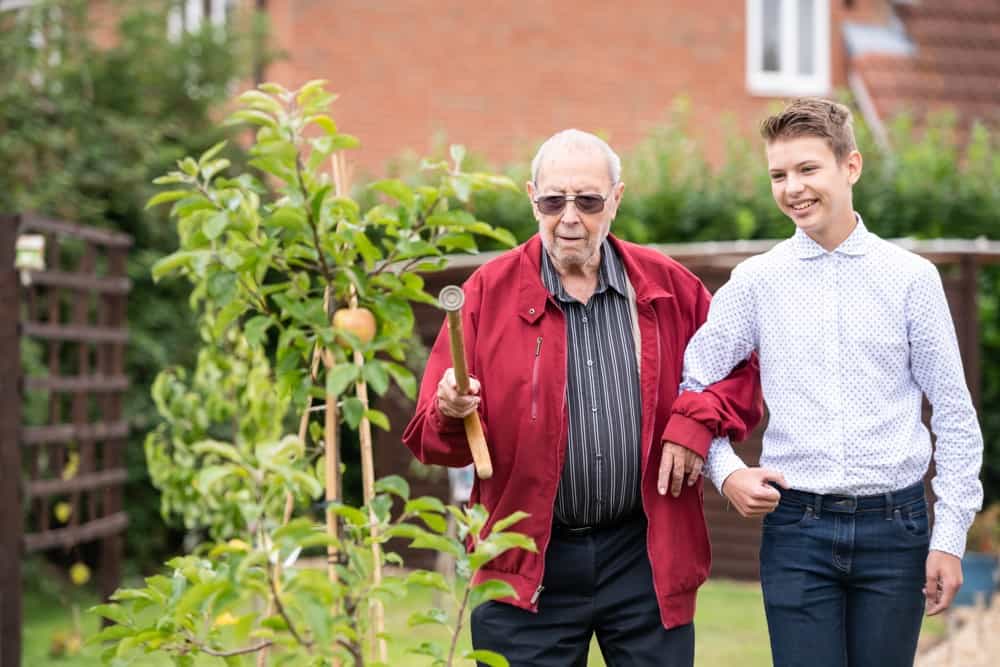
Cleanliness is unavoidable, but a nice environment extends beyond just being sanitary. The best homes feel lived-in rather than clinical. Residents can decorate their bedrooms with their own furniture, portraits, and belongings, which helps to keep a sense of identity that is easily lost when moving into shared living. Communal rooms should be bright, uncluttered, and simple to navigate, especially for individuals with dementia or visual impairment, who benefit from clear signs, enough lighting, and colour contrast between floors, walls, and furniture. It is also important to have adequate outside space. Access to a garden, even a tiny one, allows inhabitants to experience fresh air and sunlight, which has a quantifiable impact on mood and sleep. When touring any residential care home Bradeley, take attention not only to how the building looks in the entry hall, but also to how it smells and feels in the corridors and bedrooms farther inside, since first impressions can sometimes disguise the realities of daily life there.
Food, Nutrition, and Choices
Meals have a significant impact on quality of life, yet nutrition is often overlooked in care settings. Good food that is well-presented, diverse, and tailored to individual dietary needs, whether that be a soft diet, a diabetic diet, or simply a strong preference for lesser quantities, indicates that a household values well-being. Mealtimes should also be social occasions, not something to speed through. Enquire whether residents have a genuine choice of what to eat, whether snacks and drinks are available outside of scheduled meal times, and whether staff assist residents who want assistance eating without making them feel rushed or self-conscious. A thoughtful residential care home Bradeley would gladly offer sample menus and invite family members to join them for a meal during a visit, which is frequently one of the most illuminating methods to assess daily life there.
Meaningful Activity and Purpose.
Boredom poses a real problem in institutional settings, and a lack of engagement can hasten physical and cognitive decline. The best care institutions provide a diverse calendar of activities that extends beyond bingo and television, but such are acceptable in moderation. Look for ways for people to continue activities they enjoyed at home, such as gardening, art, music, baking, or simply reading in a quiet room. Visits from local schools, community groups, and therapy animals can provide welcome variation and connection to the outside world. Respecting residents who prefer isolation and do not want to participate in group activities is also crucial; a good home knows that meaningful involvement looks different for everyone and does not put pressure on them to participate.
Communication With Families
A reputable residential care home Bradeley regards family members as partners in care rather than as occasional guests to be handled. This entails open, timely communication regarding changes in health, medicine, or mood, not just at scheduled review meetings, but as they occur. Families should feel free to express concerns without fear of their loved one being treated differently as a result, and they should be kept aware of any incidences, no matter how trivial. Flexible visiting arrangements are also important, especially for those whose loved one is nearing the end of life or in discomfort, because rigid visiting hours can inflict undue anguish at precisely the times when family presence is most important.
Respect for Dignity and Choice.
Perhaps the most difficult aspect to discern during a single visit, but the most significant overall, is whether a setting truly respects the dignity and liberty of the people who live there. This manifests itself in tiny ways: knocking before entering a room, asking permission before assisting with personal care, letting residents to pick what to wear and when to get up, and including them in decisions about their own daily routine whenever possible. It also shows in how personnel talk about residents when discussing care plans, whether with warmth and respect or as if they are just a list of jobs and requirements. A home that has established a genuine culture of dignity will display it on a consistent basis, not simply when inspectors or prospective families visit.
Regulatory Standing and Reputation
Finally, families should review the formal records of any place they are considering. Inspection reports from the relevant regulator provide an independent review of safety, effectiveness, leadership, and care quality, and are a good place to start, but they should be read in conjunction with a personal visit rather than on their own. Speaking with current residents’ families, where possible, can provide honest information that a brochure cannot. Word of mouth within the community can reveal a lot about how a home is truly valued by those who know it best.
Bring It All Together
There is no single feature that makes a care setting ideal for every family, because requirements, personalities, and priorities differ greatly. What counts is that you approach the decision with open eyes, ask direct questions, and trust your feelings during the visit. A good residential care home Bradeley will embrace criticism, allow unannounced visits, and be open about its strengths and areas for improvement. Taking the time to search carefully, and involving your loved one in the decision as much as their health allows, increases your chances of finding somewhere that feels less like an institution and more like a genuine home.